
The Basics of Your Water Heater
Regular hot water heater maintenance includes flushing sediment, testing the pressure relief valve, and inspecting the anode rod—typically once a year. These simple steps can extend your water heater’s lifespan by several years and help you avoid costly repairs or emergency replacements.
Most homeowners don’t think about their water heater until something goes wrong. A cold shower on a winter morning has a way of changing that. The good news? A little routine maintenance goes a long way toward keeping your system running smoothly—and your energy bills in check.
What Regular Maintenance Should Be Done on a Water Heater?
- Flush the tank annually to remove sediment buildup, which reduces efficiency and strains the heating element
- Test the temperature-pressure relief (TPR) valve to ensure it’s functioning safely
- Inspect the anode rod every 1–3 years and replace it when it’s significantly corroded—this rod prevents tank rust
- Check the thermostat setting—the U.S. Department of Energy recommends 120°F for most households
Water Heater Maintenance Tips to Extend Its Life
- Insulate older tanks with a water heater blanket to reduce standby heat loss
- Keep the area around the heater clear of clutter and flammable materials
- Listen for unusual sounds—popping or rumbling often signals sediment buildup that needs flushing
- Check for leaks or corrosion around fittings and connections every few months
- Consistent attention to these small things can add years to a water heater’s life—and give you peace of mind.

There are 4 Types of Water Heaters
When it comes to keeping your home’s hot water flowing efficiently, one size does not fit all. There are four primary types of water heaters commonly used today: conventional storage tank, tankless (on-demand), heat pump (hybrid), and solar water heaters. While they all serve the same ultimate purpose, each system operates on entirely different technology. Because of these mechanical differences, every type requires its own distinct set of maintenance procedures to ensure optimal performance, prevent costly breakdowns, and maximize its lifespan.
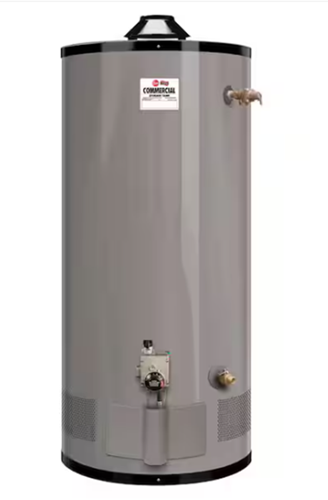
Storage tank water heaters
This one is the most common. They heat and store water continuously, making regular flushing and anode rod checks essential.
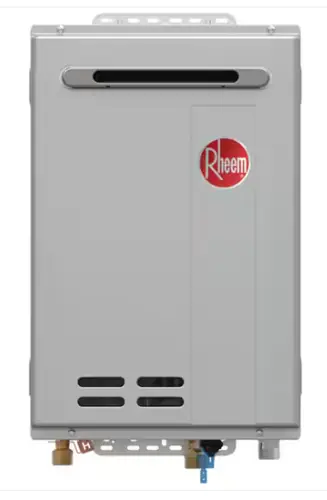
Tankless (on-demand) water heaters
As they are named about - they heat water only when needed. They're more energy-efficient but require descaling, especially in areas with hard water.
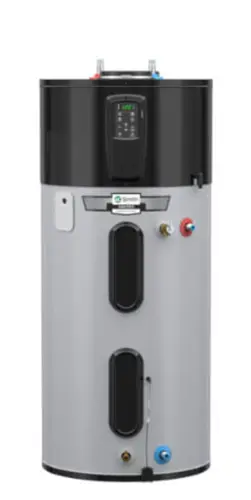
Heat pump water heaters
They move heat rather than generating it, making them highly efficient but more complex to maintain.
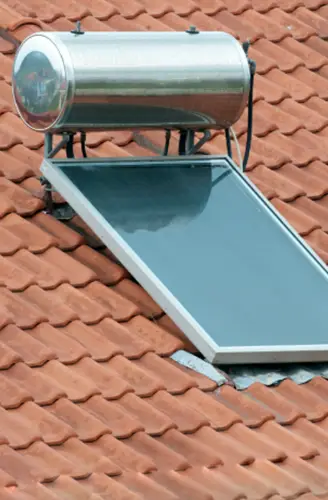
Solar water heaters
Solar water heaters use roof-mounted collectors and typically need annual professional inspections.
What is the most common water heater problem?
Sediment accumulation ranks as the most frequent issue, particularly in areas with hard water. Over time, minerals from the water supply settle at the bottom of the tank, forcing the heater to work harder and shortening its lifespan. Other common problems include a faulty heating element, a failing anode rod, and a malfunctioning TPR valve. If your water is lukewarm, discolored, or smells off, these are early warning signs worth addressing promptly.
Should you do maintenance yourself or call a professional?
Some tasks are genuinely DIY-friendly:
- Flushing the tank
- Adjusting the thermostat
- Visually checking for leaks
Others are better left to a licensed plumber—TPR valve testing, anode rod replacement, and anything involving gas connections or electrical components all carry real safety risks if handled incorrectly. When in doubt, calling a pro is the safer and often more cost-effective choice.
Is a regular maintenance schedule with a local plumber worth it?
For most homeowners, yes. An annual maintenance visit from a trusted plumber catches small problems before they become expensive emergencies. Many plumbing companies offer affordable service plans that include inspection, flushing, and component checks. Building a relationship with a local professional also means faster response times when something does go wrong.
Most Common FAQ's on Water Heaters
Can I replace my regular tank water heater with a tankless water heater?
Yes — you can switch from a traditional tank water heater to a tankless (on-demand) unit, but the upgrade involves more than a straight swap and typically requires modifications to your gas line, electrical panel, or venting system.
Key considerations before making the switch:
- Gas vs. electric: Tankless gas units require a larger gas line than most tank heaters use; tankless electric units often require a significant electrical panel upgrade (up to 200 amps)
- Venting: Tankless units vent differently from tank heaters — new flue pipes or direct-vent connections are usually required
- Flow rate: A single tankless unit may struggle to supply simultaneous high-demand fixtures (e.g., a shower running while a dishwasher operates) — sizing is critical
- Long-term savings: Tankless heaters are 24–34% more energy-efficient than tank models for average households, typically recouping installation costs within 5–10 years
Always have a licensed plumber or HVAC technician assess your home’s gas, electrical, and venting infrastructure before committing to the switch
Why is my water heater leaking from the bottom?
A water heater leaking from the bottom is most commonly caused by a faulty drain valve, a leaking temperature and pressure (T&P) relief valve discharge pipe, or internal tank corrosion — the last of which typically signals the unit needs to be replaced.
- Annoyance level: Very high — even a slow leak can cause significant water damage to floors, walls, and subfloor structures over time
- Common causes: A loose or worn drain valve, condensation pooling beneath the unit (harmless but easily mistaken for a leak), a deteriorated tank lining, or a discharge pipe that’s routing water to the floor from an overactive T&P valve
Why it happens: Water heater tanks corrode from the inside out over time, especially in hard water areas where mineral deposits accelerate degradation. Drain valves develop drips as their rubber seals wear down. If the T&P valve is repeatedly opening, it’s usually a sign of excessive pressure or overheating within the tank.
Why does my water heater make a popping or rumbling noise?
Popping or rumbling sounds from a water heater are caused by steam bubbling up through a thick layer of sediment settled at the bottom of the tank — a sign the unit needs to be flushed.
Annoyance level: Moderate — the noise itself is alarming and signals a deeper efficiency problem
Why it matters: Sediment acts as an insulating barrier between the burner and the water, forcing the heater to work harder and increasing energy costs
Cost to fix: Free to flush yourself with a garden hose; $100–$200 for a plumber to perform a professional flush and inspection
If flushing doesn’t resolve the noise, the tank may be heavily corroded internally — at that point, replacement is often more cost-effective than repair.
Why does my hot water smell like sulfur or rotten eggs?
Hot water that smells like sulfur or rotten eggs is caused by a reaction between naturally occurring sulfate bacteria in your water supply and the magnesium or aluminum sacrificial anode rod inside the water heater tank.
- Annoyance level: Very high — the smell is immediately noticeable and makes bathing, dishwashing, and cooking unpleasant
- Common causes: Sulfate-reducing bacteria thriving in a water heater set below 120°F, a deteriorating magnesium anode rod reacting with high-sulfur water, or a long period of tank inactivity allowing bacteria to multiply
Why it happens: The anode rod — a metal rod designed to corrode in place of the tank lining — reacts with sulfates present in some water supplies, producing hydrogen sulfide gas. Tanks set to lower temperatures (below 120°F) are especially prone, as the cooler environment allows sulfate bacteria to survive and proliferate.
How to fix it: Increase the water heater temperature to 140°F temporarily to kill bacteria (use caution with children or elderly household members at this setting). Replace the magnesium anode rod with an aluminum/zinc alloy rod, which is far less reactive with sulfur compounds ($20–$50 in parts). Flush and disinfect the tank with a diluted hydrogen peroxide solution if bacteria are confirmed.
Why does my water heater keep tripping the reset button?
A water heater that repeatedly trips its reset button — the red emergency cutoff button on the thermostat — is signaling that the unit is overheating, which almost always points to a faulty thermostat, a burned-out heating element, or a wiring fault.
- Annoyance level: Very high — a tripping reset button means no hot water and a recurring fault that won’t resolve itself
- Common causes: A defective upper thermostat that isn’t shutting off the heating element at the correct temperature, a grounded or shorted heating element that draws excessive current, or a failing high-limit switch that trips prematurely
Why it happens: Electric water heaters use dual thermostats (upper and lower) to regulate heating elements. When an upper thermostat fails, it can allow the element to run continuously, pushing water temperature beyond the safe threshold and tripping the high-limit cutoff as a safety measure. A shorted heating element has the same effect — it continues drawing power even after the thermostat signals it to stop.
How to fix it: Reset the button once and monitor — if it trips again within a few hours, do not keep resetting it, as repeated resets can damage the high-limit switch. Test each heating element with a multimeter to identify a short ($10–$20 tool rental or purchase). Replace the faulty thermostat or heating element ($20–$60 in parts for a confident DIY repair).